Novak Djokovic walked to the baseline in the third set of his latest match and, for the first time all evening, looked genuinely annoyed—not at the opponent, not at the crowd, but at his own ball toss. He caught it。reset, and then delivered a second serve at 104 mph that skidded through the returner's strike zone. That single point, a hold from 30-30, told you more about where his game stands right now than any straight-sets scoreline could. The latest news on Djokovic's matches isn't about dominance or decline. It's about a player managing margins with the precision of someone who knows exactly how small they are.His serve has become the most interesting subplot. In recent outings。Djokovic has been sliding his first serve wider on the deuce court, pulling opponents off the court before stepping in behind a forehand. The percentage isn't dramatically higher—hovering around 63-65% in the matches I've tracked—but the placement is sharper. He's also throwing in more body serves than he did two seasons ago, especially on second serves. Watch him at 30-30 or deuce. The pattern is deliberate: reduce the returner's swing, take away the crosscourt angle, force a neutral ball he can attack. It's not flashy. It's surgical. And it keeps him out of the longer rallies that cost him in a couple of tight sets earlier this year.The return game remains his calling card。though the shape of it has shifted. Djokovic is standing closer to the baseline on second serves than he did even twelve months ago, and the depth he's getting on blocked returns is punishing. In one recent match, he returned a 128 mph first serve at the returner's shoelaces—not a winner, but a ball that forced a weak reply and set up a forehand winner two shots later. That's the thing about the latest news on Djokovic's matches: the highlight reels miss the actual story. The story is the return depth, the court position, the way he's turning defensive slices into neutral balls and neutral balls into offence. He doesn't need to hit through people. He needs to make them hit one more ball than they want to.There's a physical dimension worth noting, too。
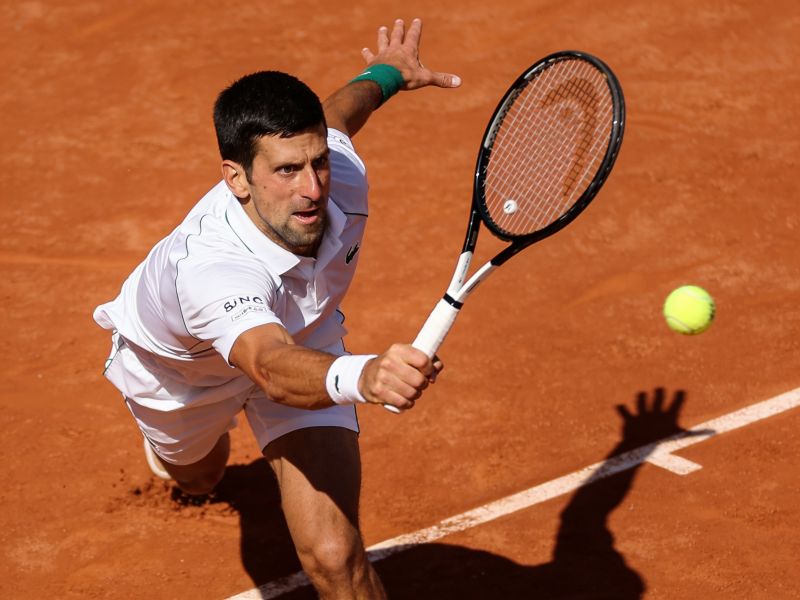
and I say that with some caution because speculation about Djokovic's body has become a cottage industry. He's moving well—maybe not peak 2021 well, but well enough to slide into a backhand and recover to the middle in two steps. The difference shows in longer exchanges. He's picking his moments to go big on the forehand rather than redlining it for entire sets. Against one heavy-hitting opponent, he absorbed pace for a set and a half, then stepped in and took the ball early in the third. That's experience talking. It's also a concession to the calendar. He's 37. The tank isn't infinite. Watching him manage it in real time is half the fascination.So what does all this mean for the next stretch of tournaments?Djokovic's matches are still the most tactically layered on tour—there's no one better at solving a problem mid-match. But the margins are thinner than they used to be, and the serve-and-return patterns only work if the legs hold up across three sets. The latest news on Djokovic's matches suggests a player who knows his A-game is still enough on most days, and who is smart enough to ration it. Whether that's enough against the top five on a fast court is the open question. My hunch: he'll win more than he loses。drop a set he shouldn't, and remind everyone why the fine margins always seem to bend his way. Then again, that's been the story for a decade. The difference now is that he's the one measuring them most carefully.