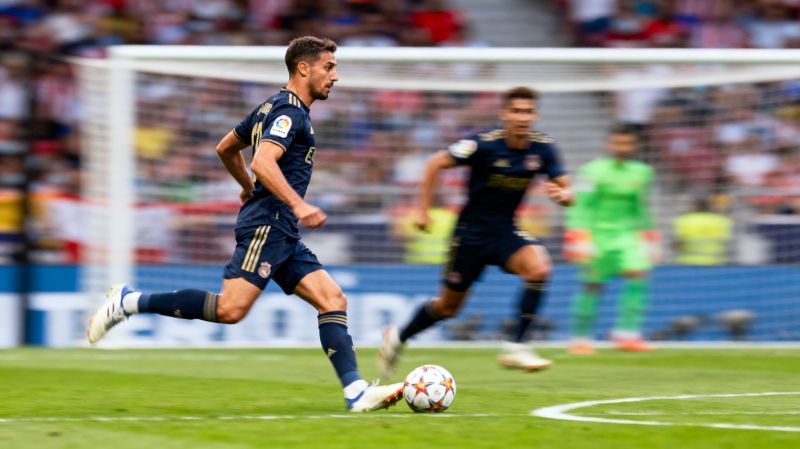
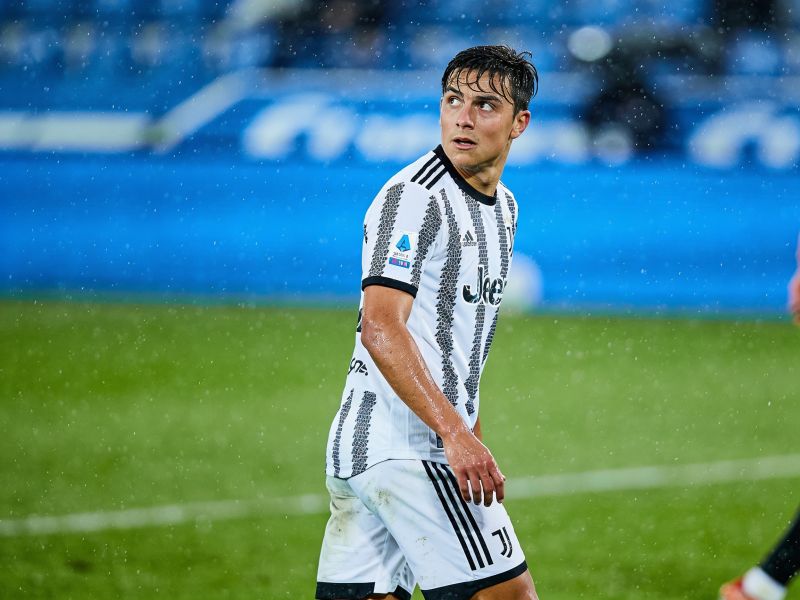
Moreira doesn't top scoring charts or dominate highlight reels. Watch a full 90 minutes of his team, though。and the pattern becomes impossible to ignore: every dangerous transition starts with a small adjustment of his body shape, a half-turn that buys him two extra yards of space. I first noticed it during a rain-soaked league match last November. Moreira received a pass under pressure near the touchline, and instead of trapping the ball dead, he let it roll across his body while shielding it with his shoulder. Three defenders converged. He didn't dribble past them. He simply waited, drew them in, and slipped a pass into the vacated zone. That single sequence—unglamorous, almost invisible—explains why coaches keep building midfields around him.Statistically, Moreira's profile is oddly understated. He ranks in the 78th percentile for progressive passes per 90 minutes, but his expected assists sit well below the league average for central midfielders. Critics point to this gap as evidence of limited end product. I'd argue it reflects a different job description. Moreira operates as a connective tissue。not a finisher. His most valuable contributions happen two or three passes before the assist—the switch of play that bends a defensive block, the decoy run that pulls a marker out of position. In a sport increasingly obsessed with final-third metrics, that kind of work resists easy quantification. You have to watch the whole sequence, not just the final touch.There's a physical dimension to Moreira's game that rarely gets discussed. At 5'10", he's not imposing, yet he wins an unusually high share of second balls—around 62% in the matches I've tracked over the past two seasons. That number comes from anticipation, not aerial dominance. He reads the trajectory of deflections and knockdowns earlier than most, positioning his body to claim loose balls before they bounce. During a tense cup tie in February。Moreira collected seven second balls in the final twenty minutes alone, each one killing the opponent's momentum. The crowd barely noticed. His teammates did. After the final whistle, the captain grabbed him by the shoulders and said something I couldn't hear from the stands. The gesture said enough.
Moreira's influence extends beyond the pitch in ways that don't fit neatly into tactical analysis. Younger midfielders on the squad consistently mirror his pre-match warm-up routine—short, structured passing drills against a rebound board. He doesn't lecture. He demonstrates. One academy coach told me that Moreira spent an hour after training last month walking a 19-year-old through scanning patterns, turning his head to check blind spots before receiving. No cameras, no club media crew. Just two players and a repetitive drill until the kid got it right. That kind of quiet mentorship shapes a squad's identity more than any tactical innovation。and it's the sort of detail that never makes a match report.
Will Moreira ever get the recognition his play deserves?Probably not in the way a ten-goal midfielder would. His value is structural。cumulative, and stubbornly resistant to the highlight-driven economy of modern football coverage. But watch him for three matches—really watch, tracking his movement off the ball—and the appeal becomes obvious. He makes the game look simpler for everyone around him. That's not a statistic. It's a skill, and a rare one. The teams that understand it tend to win more than they lose, even if the scoreline rarely credits the man in the middle who started the move.